
Planning a journey to India is an exercise in both excitement and organization. As one of the world’s most diverse and rapidly growing nations, India has modernized its entry requirements to accommodate the millions of travelers who visit for business, leisure, and wellness. However, for a trip to be successful, the first step is not booking a flight, but understanding the specific legal framework of your entry.
The Evolution of the e-Visa System
The digital transformation of the Ministry of Home Affairs has revolutionized how international visitors interact with the subcontinent. Gone are the days of mandatory consulate visits for every traveler. Today, the system is segmented to cater to the specific intent of the visit, ensuring that whether you are a digital nomad, a corporate executive, or a spiritual seeker, there is a dedicated pathway for you.
When beginning your research, the first point of clarity must be understanding the various TYPES OF INDIAN VISA available through the electronic system. The e-Visa program is divided into sub-categories including Tourist, Business, Medical, and Conference visas. Selecting the wrong category is one of the most common reasons for administrative delays, making it imperative to align your documentation with your actual itinerary.
Strategic Selection: Matching Intent with Documentation
Choosing the right entry permit is more than a formality; it is a legal requirement that dictates what you can and cannot do while in the country. For instance, a tourist visa strictly prohibits commercial activity, while a business visa requires specific invitation letters from Indian entities.
To navigate this successfully, travelers should familiarize themselves with the broader landscape of INDIAN VISA TYPES to ensure their stay remains compliant. Understanding the nuances—such as the difference between a one-month double-entry tourist visa and a five-year multiple-entry visa—can significantly impact your long-term travel planning.
Key Considerations for Modern Travelers:
- Validity vs. Stay Period: The validity of the visa (when you can enter) is often different from the permitted duration of stay (how long you can remain).
- Port of Entry: While e-Visas are widely accepted, they are only valid for entry through designated international airports and specific seaports.
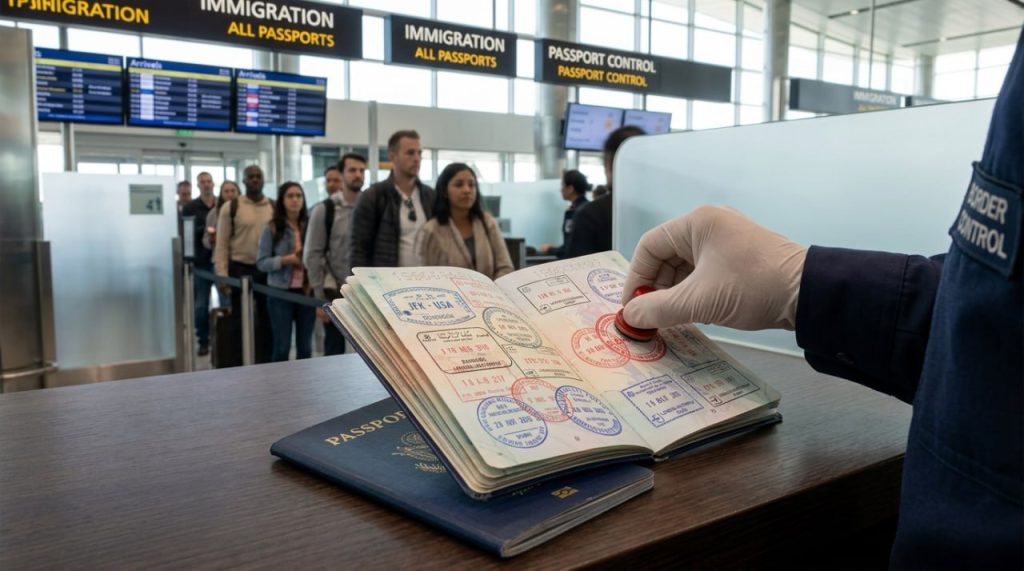
- Passport Readiness: Your passport must have at least six months of validity remaining from the date of arrival and contain at least two blank pages for the immigration officer’s stamps.
Professional Planning for a Seamless Experience
The hallmark of a seasoned traveler is the ability to anticipate administrative needs. By treating the visa process as a critical part of your travel logistics—equal in importance to your health insurance or flight itinerary—you mitigate the risk of last-minute complications.
India offers an unparalleled wealth of experience, from the tech hubs of Bangalore to the heritage sites of Rajasthan. Ensuring you have the correct authorization allows you to focus on the purpose of your trip rather than the paperwork at the border.
Final Thoughts
As global mobility continues to increase, staying informed about the shifting landscape of international entry requirements is essential. By taking the time to understand the specific TYPES OF INDIAN VISA and consulting updated resources on INDIAN VISA TYPES, you set the stage for a journey that is as smooth as it is memorable.
