
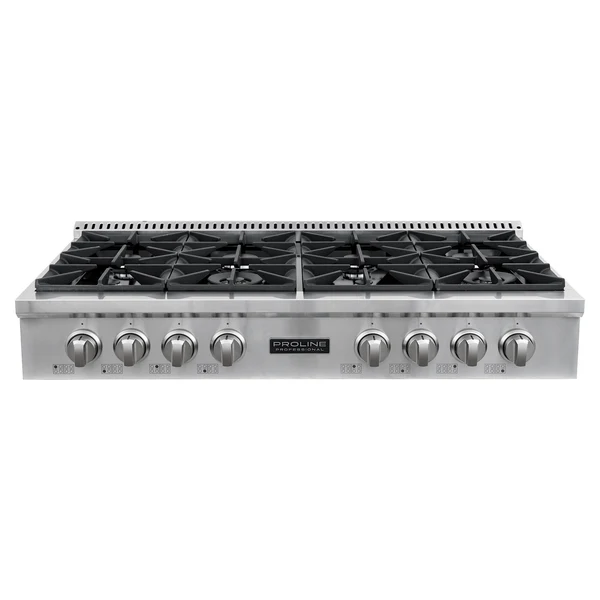
A kitchen is one of the busiest spaces in any home, making it important to choose appliances that combine durability, functionality, and timeless style. Among the many cooktop materials available today, stainless steel stove tops remain one of the most popular choices for homeowners due to their strength, heat resistance, and easy maintenance. Their sleek appearance complements both traditional and modern kitchens while providing dependable performance for everyday cooking.
Whether you’re upgrading your kitchen or designing a new cooking space, understanding the features and benefits of stainless steel stove tops can help you make an informed decision. These cooktops are widely used in residential and professional kitchens because they are resistant to corrosion, simple to clean, and capable of handling heavy cookware and frequent use. Stainless steel is also valued for its hygienic, non-porous surface and excellent resistance to heat and corrosion, making it a trusted material for kitchen appliances.
What Are Stainless Steel Stove Tops?
Stainless steel stove tops are cooking surfaces manufactured using stainless steel as the primary exterior material. They are available in gas, electric, and induction-compatible models, offering flexibility for different cooking preferences.
Many homeowners also pair these cooktops with premium dishwashers to create a coordinated and highly functional kitchen layout that balances performance with convenience.
Their durable construction allows them to withstand high temperatures, frequent cleaning, and everyday kitchen activity without losing their appearance.
Benefits of Stainless Steel Stove Tops
Choosing stainless steel stove tops offers several practical advantages.
Excellent Durability
Stainless steel is highly resistant to corrosion, heat, and everyday wear. It performs well even in busy kitchens where cookware is used frequently.
Easy Maintenance
The smooth, non-porous surface makes cleaning straightforward. Most spills, grease, and food residue can be removed using mild cleaning products and a soft cloth.
Heat Resistance
One of the major advantages of stainless steel stove tops is their ability to tolerate high cooking temperatures without cracking or warping under normal use.
Timeless Appearance
The neutral finish complements nearly every kitchen style, making stainless steel a long-lasting design choice regardless of changing interior trends.
Hygienic Surface
Because stainless steel is non-porous, it does not easily absorb moisture, odors, or bacteria, making it a preferred material in both residential and commercial kitchens.
Types of Stainless Steel Stove Tops
Several configurations are available to suit different cooking needs.
Gas Stove Tops
Gas models provide precise flame control, making them popular among home cooks who value responsive temperature adjustments.
Electric Stove Tops
Electric models offer even heating and simple operation, making them suitable for everyday meal preparation.
Induction-Compatible Models
Some stainless steel stove tops are designed to work alongside induction cooking systems when paired with compatible cookware.
Features to Consider Before Buying
When selecting stainless steel stove tops, consider several important factors.
Number of Burners
Choose a configuration that matches your cooking habits and household size.
Surface Finish
Brushed finishes often help minimize the appearance of fingerprints and light scratches.
Burner Configuration
Different burner sizes accommodate various cookware dimensions and cooking techniques.
Cleaning Requirements
Look for removable burner grates and smooth surfaces that simplify routine maintenance.
Safety Features
Modern cooktops may include flame failure protection, automatic ignition, and child safety features depending on the model.
Installation Considerations
Proper installation contributes to both safety and performance.
Important factors include:
- Available countertop space
- Gas or electrical connections
- Ventilation requirements
- Cabinet dimensions
- Clearance from surrounding surfaces
Professional installation helps ensure the appliance operates efficiently and safely. This even implies for luxury dishwashers.
Maintenance Tips
Routine maintenance keeps stainless steel stove tops looking attractive and performing efficiently.
Recommended practices include:
- Wipe spills immediately after cooking.
- Clean with non-abrasive cleaners.
- Dry surfaces after cleaning to reduce water spots.
- Remove grease buildup regularly.
- Inspect burners periodically.
- Avoid harsh scrubbing pads that may scratch the finish.
Regular care helps preserve both appearance and functionality for years.
Conclusion
Selecting the right stainless steel stove tops can significantly improve cooking efficiency while adding lasting durability and style to the kitchen. By considering burner configuration, maintenance requirements, installation needs, and overall functionality, homeowners can choose a cooktop that meets both daily cooking demands and long-term expectations. For those planning a complete kitchen upgrade, exploring options for a dishwasher for sale alongside complementary appliances can help create a practical and well-coordinated kitchen space. Homeowners continue to choose stainless steel because it combines durability, hygiene, and versatility. Its resistance to corrosion, heat, and everyday wear makes it well suited for busy kitchens, while its professional appearance blends easily with a wide range of cabinetry and appliance styles. With proper care, stainless steel surfaces can provide reliable performance for many years.
