
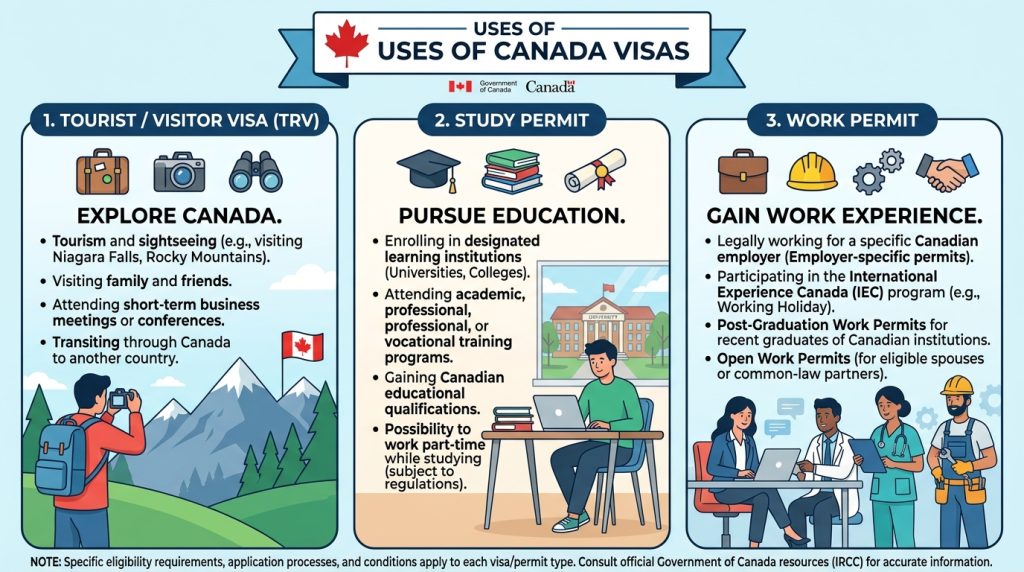
International travel in 2026 offers more freedom than ever, but it comes with a heightened responsibility to remain compliant with local immigration laws. Whether you are traveling for leisure, business, or family reunification, understanding the lifespan of your travel authorization is the most critical component of your itinerary. Neglecting these details can lead to long-term consequences that affect your ability to cross borders in the future.
Understanding the Risks of Staying Beyond Your Welcome
Canada remains a top destination for global citizens, known for its welcoming atmosphere and robust economy. However, the Canadian government maintains strict oversight regarding the duration of stay for foreign nationals. It is vital for every visitor to monitor their status closely, as the implications of CANADA VISA EXPIRY AND OVERSTAY can be severe.
If a visitor remains in the country even one day past their authorized stay, they lose their legal status. This can result in a “departure order,” and more importantly, it can create significant hurdles for any future applications to enter Canada or other nations with shared immigration databases. If you find that you need more time, the best course of action is always to apply for an extension at least 30 days before your current status reaches its end date.
Expanding Horizons: Accessing Southeast Asia
While some countries have rigorous exit requirements, others are focused on making the entry process as seamless as possible to boost tourism and trade. Vietnam, for instance, has become a leader in digital travel solutions. The expansion of their e-Visa portal has opened doors for millions of travelers who previously had to navigate complex embassy visits.
When planning a trip to the “Land of the Blue Dragon,” the first step is to verify if your nation is among the ELIGIBLE COUNTRIES FOR VIETNAM VISA. Currently, the list includes a vast majority of nations, allowing travelers to apply online and receive their authorization via email. This digital document is generally valid for up to 90 days and allows for multiple entries, making it perfect for those who want to use Vietnam as a base to explore the rest of the Indochina peninsula.
Best Practices for the Modern Traveler
To stay on the right side of international law, consider these three proactive steps:
- Set Digital Alerts: Use your smartphone to set a reminder 14 days and 7 days before your visa or e-Visa is set to expire.
- Verify Entry Stamps: Upon arrival in a new country, always check the date written or stamped in your passport by the immigration officer. Sometimes the physical stamp allows for a shorter duration than the visa itself.
- Keep Digital Backups: Maintain a cloud-based folder with scans of your passport, visa approvals, and entry stamps. This is invaluable if you lose your physical documents.
Final Thoughts
The beauty of modern travel lies in our ability to visit diverse cultures with relative ease. However, the privilege of entry is contingent upon respecting the timeframe granted by the host nation. By staying informed about your specific visa conditions and the eligibility rules of your next destination, you ensure that your global adventures remain uninterrupted and stress-free.
