
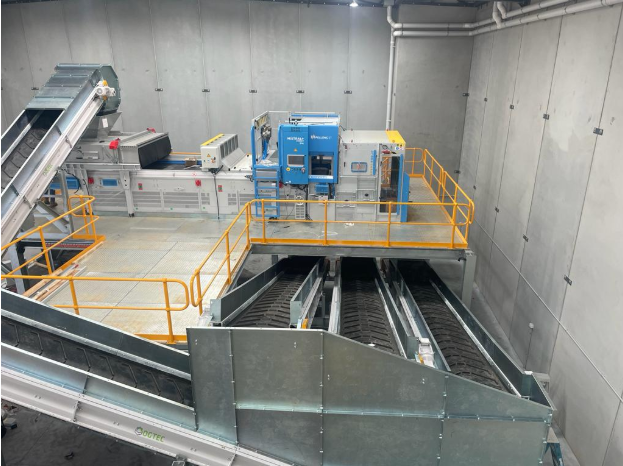
As one of Australia’s largest and fastest-growing cities, Sydney generates significant amounts of residential, commercial, industrial, and construction waste every day. Managing this waste efficiently is essential for protecting the environment, conserving natural resources, and supporting public health. Effective waste management not only reduces landfill use but also promotes recycling, resource recovery, and sustainable business operations.
Whether for households, businesses, or industrial facilities, understanding waste management in Sydney is becoming increasingly important. With evolving environmental regulations and growing emphasis on the circular economy, individuals and organizations are encouraged to adopt responsible waste handling practices that minimize environmental impact while improving operational efficiency. Government initiatives also continue to encourage waste reduction, recycling, and better resource recovery across New South Wales.
What Is Waste Management?
Waste management refers to the collection, transportation, processing, recycling, treatment, and disposal of waste materials in a safe and environmentally responsible manner. The primary goal is to reduce the amount of waste sent to landfills while recovering valuable resources that can be reused or recycled.
An effective waste management system includes:
- Waste collection
- Waste segregation
- Recycling
- Composting
- Resource recovery
- Safe disposal of hazardous materials
Proper waste management supports environmental sustainability while helping businesses and communities comply with local regulations.
Why Waste Management in Sydney Is Important
Sydney’s growing population and expanding commercial activities continue to increase the demand for efficient waste handling systems. Without proper waste management, excessive landfill use can contribute to pollution, greenhouse gas emissions, and the loss of recyclable materials.
Some key benefits include:
Environmental Protection
Proper waste disposal helps reduce contamination of land, air, and waterways while conserving valuable natural resources.
Improved Public Health
Efficient waste collection minimizes health risks associated with accumulated waste, pests, and hazardous materials.
Resource Conservation
Recovering recyclable materials reduces the demand for raw resources and supports sustainable manufacturing practices.
Regulatory Compliance
Businesses operating in Sydney must comply with waste management regulations established by New South Wales authorities and local councils.
Types of Waste Managed in Sydney
A comprehensive waste management system handles a wide variety of waste streams, including:
General Waste
Non-recyclable everyday waste generated by homes and businesses.
Recyclable Materials
Paper, cardboard, glass, metals, and many plastics can be processed into new products through waste management in Sydney, Australia programs.
Organic Waste
Food scraps and garden waste can often be composted or processed into valuable organic products.
Construction and Demolition Waste
Building projects generate concrete, timber, bricks, metals, and other materials that can often be recovered for reuse.
Industrial Waste
Manufacturing and industrial facilities produce specialized waste streams that require careful handling and disposal.
Hazardous Waste
Chemicals, batteries, paints, electronic waste, and certain medical materials require specialized treatment to prevent environmental contamination.
Best Practices for Effective Waste Management
Organizations and households can improve waste handling by following several proven strategies.
Prioritize Waste Reduction
Reducing waste generation is often the most effective way to minimize environmental impact. Businesses can optimize purchasing practices, reduce packaging, and improve inventory management.
Improve Waste Segregation
Separating recyclable, organic, and general waste at the source increases recycling efficiency and reduces landfill disposal.
Increase Recycling Efforts
Recycling valuable materials conserves resources while lowering waste disposal costs.
Monitor Waste Generation
Tracking waste volumes helps organizations identify opportunities to improve efficiency and reduce unnecessary waste production.
Train Employees and Occupants
Education plays a vital role in ensuring waste is properly sorted and disposed of according to local guidelines.
These practices align with Sydney’s broader sustainability initiatives aimed at increasing recycling rates and reducing landfill dependence.
Challenges Facing Waste Management in Sydney
Despite ongoing improvements, several challenges continue to affect waste management in Sydney.
Growing Waste Volumes
Population growth and urban development continue to increase the amount of waste requiring collection and processing.
Landfill Capacity
Available landfill space is becoming more limited, making resource recovery and recycling increasingly important.
Contamination of Recyclables
Incorrect waste sorting can contaminate recyclable materials, reducing their recovery potential.
Regulatory Changes
Businesses must stay informed about evolving environmental regulations and waste handling requirements to maintain compliance.
The Role of Technology in Modern Waste Management
Technological advancements are transforming waste management systems across many industries.
Some emerging innovations include:
- Smart waste monitoring systems
- Automated waste sorting technologies
- GPS-optimized collection routes
- Advanced recycling equipment
- Waste-to-energy technologies
- Digital waste tracking systems
These innovations help improve operational efficiency while supporting long-term sustainability objectives.
Tips for Businesses to Improve Waste Management
Businesses can strengthen their waste management programs by:
- Conducting regular waste audits
- Increasing recycling participation
- Reducing single-use materials
- Partnering with licensed waste service providers
- Implementing clear waste segregation policies
- Monitoring environmental performance
Small operational improvements often produce significant environmental and financial benefits over time.
Future of Waste Management in Sydney
Sydney continues to move toward a circular economy where materials remain in use for as long as possible through reuse, recycling, and recovery. Government strategies encourage reducing waste generation, expanding recycling infrastructure, and increasing resource recovery across residential and commercial sectors. As sustainability becomes a greater priority, efficient waste management practices will remain essential for supporting environmental protection and long-term economic growth.
Conclusion
Managing waste responsibly benefits individuals, businesses, and the broader community by reducing environmental impact and conserving valuable resources. As urban populations continue to grow, adopting sustainable waste practices becomes increasingly important for maintaining cleaner and healthier cities. Organizations that invest in proper planning, recycling initiatives, and efficient waste handling systems can improve both operational performance and environmental outcomes. Implementing waste management solutions as part of a comprehensive waste strategy can further support long-term sustainability goals while helping reduce landfill dependence and encouraging greater resource recovery for future generations.
