
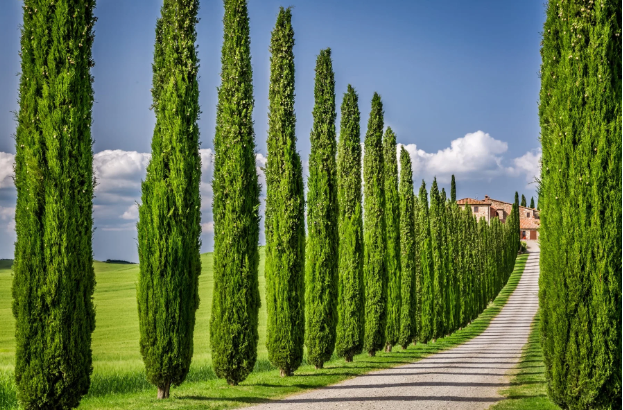
Creating a private outdoor space has become an important goal for many homeowners who want to enjoy their yards without unwanted views, noise, or distractions. Unlike artificial barriers, living screens provide natural beauty while improving the overall appearance of a landscape. Choosing the right privacy trees can help transform open areas into peaceful outdoor environments while adding greenery, shade, and long-term value to a property.
Privacy trees are commonly used along property lines, fences, patios, and garden areas to create natural boundaries. They can provide year-round coverage, reduce visual exposure, and enhance outdoor comfort. Selecting the right tree depends on factors such as climate, available space, growth rate, maintenance requirements, and desired height.
Why Choose Privacy Trees for Your Landscape?
Trees provide more than just privacy. They contribute to a healthier and more attractive outdoor environment.
Some benefits of planting privacy trees include:
- Creating natural visual barriers
- Adding shade and cooling effects
- Reducing outside noise
- Improving landscape appearance
- Supporting outdoor relaxation areas
Unlike temporary privacy solutions, trees continue to grow and develop, creating a stronger natural screen over time.
Factors to Consider Before Planting Privacy Trees
Choosing the right tree requires careful planning. Different species have different growth patterns and care requirements.
Growth Rate
Fast-growing trees can create privacy more quickly, while slower-growing varieties may require more patience but often provide long-term stability.
Mature Size
Consider the tree’s expected height and width before planting. Trees that grow too large for the available space may require frequent trimming or relocation.
Evergreen vs. Deciduous Trees
Evergreen trees maintain foliage throughout the year, making them popular choices for continuous privacy screens. Deciduous trees lose leaves seasonally but can provide excellent shade and visual appeal.
Maintenance Needs
Some trees require regular pruning to maintain shape, while others naturally develop dense growth patterns.
Popular Types of Privacy Trees
There are many tree varieties suitable for creating natural barriers. The best option depends on the landscape conditions and the level of privacy desired.
Evergreen Privacy Trees
Evergreen trees are often preferred because they provide consistent coverage throughout the year.
Common advantages include:
- Continuous screening
- Dense foliage
- Wind protection
- Reduced visibility from neighboring properties
These trees work well for homeowners looking for a permanent privacy solution.
Fast-Growing Privacy Trees
Fast-growing varieties are useful when homeowners want quicker results. They can fill open spaces more rapidly and create a fuller landscape in a shorter period.
However, fast growth often requires proper maintenance to keep trees healthy and prevent overcrowding.
Hedge-Style Privacy Trees
Some tree varieties can be shaped and maintained as formal hedges. These options are popular for modern landscapes because they create clean lines and structured outdoor designs.
Indian Laurel Fig as a Privacy Tree Option
The Indian Laurel fig is a popular evergreen choice for creating dense privacy screens in suitable climates. Also known as Ficus microcarpa, this tree is valued for its glossy foliage, ability to tolerate shaping, and use in hedge-style landscaping.
Indian Laurel fig trees are often used for:
- Privacy hedges
- Property boundaries
- Landscape screening
- Decorative green walls
Their dense growth allows them to create effective visual barriers when properly planted and maintained.
Because these trees can grow vigorously, homeowners should consider planting location, spacing, and ongoing maintenance requirements. Proper planning helps ensure healthy growth while preventing issues related to limited space.
How to Plant Privacy Trees Successfully
Proper planting techniques can significantly influence tree health and growth.
Select the Right Location
Choose an area with suitable sunlight, soil conditions, and enough space for mature growth.
Prepare the Soil
Healthy soil supports stronger roots and improves long-term development. Adding organic matter may help improve soil quality before planting.
Provide Adequate Water
Newly planted trees typically require consistent watering while establishing their root systems.
Maintain Proper Spacing
Planting trees too close together can limit airflow and create competition for nutrients. Proper spacing encourages healthier growth and easier maintenance.
Maintaining Privacy Trees
Regular care helps privacy trees remain healthy and attractive.
Important maintenance practices include:
Pruning
Trimming helps control size, encourage dense growth, and maintain the desired shape.
Mulching
Adding mulch around the base can help retain moisture and regulate soil temperature.
Fertilizing
Appropriate fertilization can support healthy growth when soil nutrients are limited.
Monitoring Plant Health
Checking for pests, diseases, or signs of stress allows homeowners to address problems early.
Conclusion
Choosing the right privacy trees can significantly improve outdoor comfort, appearance, and functionality. With proper selection, planting, and maintenance, trees can create beautiful natural barriers that provide privacy for years. For homeowners looking for a dense evergreen option, the Indian Laurel fig can be an effective choice when planted in appropriate conditions and maintained correctly, helping create a lush and private outdoor space. Combining different plants, shrubs, and trees can create a layered landscape that provides privacy while adding visual variety. A thoughtful approach creates a more natural and sustainable outdoor environment.
