
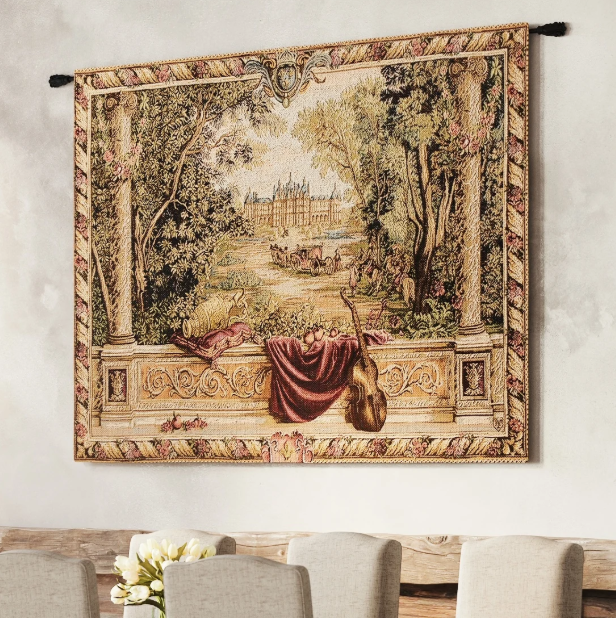
Interior design trends continue to evolve, but decorative pieces that add warmth, texture, and personality remain popular across different styles. A tapestry wall hanging is one such element that can transform an empty wall into an eye-catching focal point. Unlike traditional framed artwork, tapestries introduce fabric texture, depth, and artistic detail, making them suitable for homes, offices, hotels, and creative spaces.
From historical woven artwork to modern decorative designs, tapestries have been used for centuries to enhance interiors. Today, homeowners and designers use them to create unique spaces that reflect personal style, cultural influences, and artistic preferences. Quality Tapestries specializes in creating premium woven tapestries using Jacquard loom techniques, allowing customers to transform artwork, photographs, and designs into customized textile pieces.
What Is a Tapestry Wall Hanging?
A tapestry is a decorative textile artwork designed to be displayed on walls. Traditionally, tapestries were handwoven with detailed patterns and storytelling elements. Modern versions combine traditional craftsmanship with advanced weaving technology to create detailed designs suitable for contemporary interiors.
A tapestry wall hanging can feature:
- Landscape scenes
- Historical artwork
- Abstract patterns
- Family portraits
- Decorative motifs
- Custom artwork
- Nature-inspired designs
Because they are available in various sizes and styles, tapestries can complement almost any interior theme.
Benefits of Using Wall Tapestries in Home Décor
Wall tapestries offer several advantages compared to conventional wall decorations.
Adds Texture and Warmth
Fabric artwork creates a softer visual appearance than framed prints or painted walls. The woven texture adds depth and makes rooms feel more comfortable and inviting.
Creates a Statement Piece
A large tapestry can become the centerpiece of a room, drawing attention and adding character to otherwise plain walls.
Offers Design Flexibility
Tapestries work well in various spaces, including:
- Living rooms
- Bedrooms
- Offices
- Libraries
- Hotels
- Event spaces
They can be styled with modern, traditional, rustic, or artistic décor themes.
Choosing the Right Tapestry Design
Selecting the right tapestry depends on the atmosphere you want to create.
Consider:
Room Size
Large walls often benefit from oversized tapestries, while smaller rooms may look better with compact designs.
Color Scheme
Choose colors that complement existing furniture, flooring, and accessories.
Artistic Style
Popular styles include:
- Classic woven artwork
- Contemporary abstract designs
- Nature scenes
- Personalized photo tapestries
- Historical-inspired patterns
A well-chosen tapestry can enhance the overall appearance of a space.
Custom Woven Tapestry Options
For those looking for something unique, a custom woven tapestry allows personal artwork, photographs, or designs to become permanent textile art. Custom tapestry makers use specialized weaving techniques to capture detailed images with rich textures and lasting quality.
Quality Tapestries creates customized pieces using traditional Jacquard looms and allows customers to personalize sizes, colors, and designs. Their custom tapestries can be produced for individual projects as well as larger orders.
Custom options are ideal for:
- Family portraits
- Corporate branding
- Memorial artwork
- Historical reproductions
- Personalized gifts
- Interior design projects
How Tapestries Are Made
Creating a high-quality tapestry involves several detailed steps.
Design Preparation
The chosen image or artwork is prepared for weaving by adjusting colors, patterns, and dimensions.
Weaving Process
Modern Jacquard looms allow manufacturers to reproduce intricate details by controlling individual threads during production. This technique helps create smooth color transitions and detailed textile designs.
Finishing
After weaving, tapestries may receive finishing touches such as lining, hanging pockets, or additional detailing to improve presentation and durability.
Tips for Displaying a Tapestry
Proper placement can enhance the visual impact of your wall tapestry.
Helpful tips include:
- Choose a wall with enough open space.
- Hang the tapestry at eye level.
- Consider furniture placement around the artwork.
- Avoid excessive direct sunlight.
- Use suitable hanging methods for the tapestry weight.
Tapestries can be displayed using rods, frames, clips, or other mounting options depending on the design and material.
Caring for Your Tapestry
Proper maintenance helps preserve the beauty of woven artwork.
Recommended care includes:
- Keeping it away from moisture.
- Avoiding prolonged sunlight exposure.
- Dusting gently when needed.
- Following manufacturer cleaning instructions.
- Handling the fabric carefully during movement.
With proper care, quality tapestries can remain decorative pieces for many years.
Why Custom Textile Art Is Becoming Popular
Personalized décor has become increasingly popular as homeowners look for meaningful ways to decorate their spaces. A custom tapestry allows people to display artwork that has personal value rather than choosing generic wall decorations.
Whether it represents a family memory, artistic vision, or brand identity, woven textile art provides a distinctive combination of creativity and craftsmanship.
Conclusion
A tapestry wall hanging is an elegant way to add personality, texture, and artistic expression to any interior space. From traditional designs to modern personalized creations, tapestries provide a unique alternative to standard wall décor while offering long-lasting visual appeal. For those seeking a truly personalized décor solution, a custom woven tapestry offers the opportunity to transform meaningful images and creative ideas into handcrafted textile artwork designed to complement any space. Choosing a high-quality piece and displaying it correctly can transform an ordinary wall into a memorable design feature.
